Dark attic decking, rafter staining, wet insulation, roof leak marks, or duct condensation.
Attic mold removal
Attic Mold Removal in New Orleans
Attic mold is usually a roof, ventilation, insulation, or condensation story before it is a cleanup story.
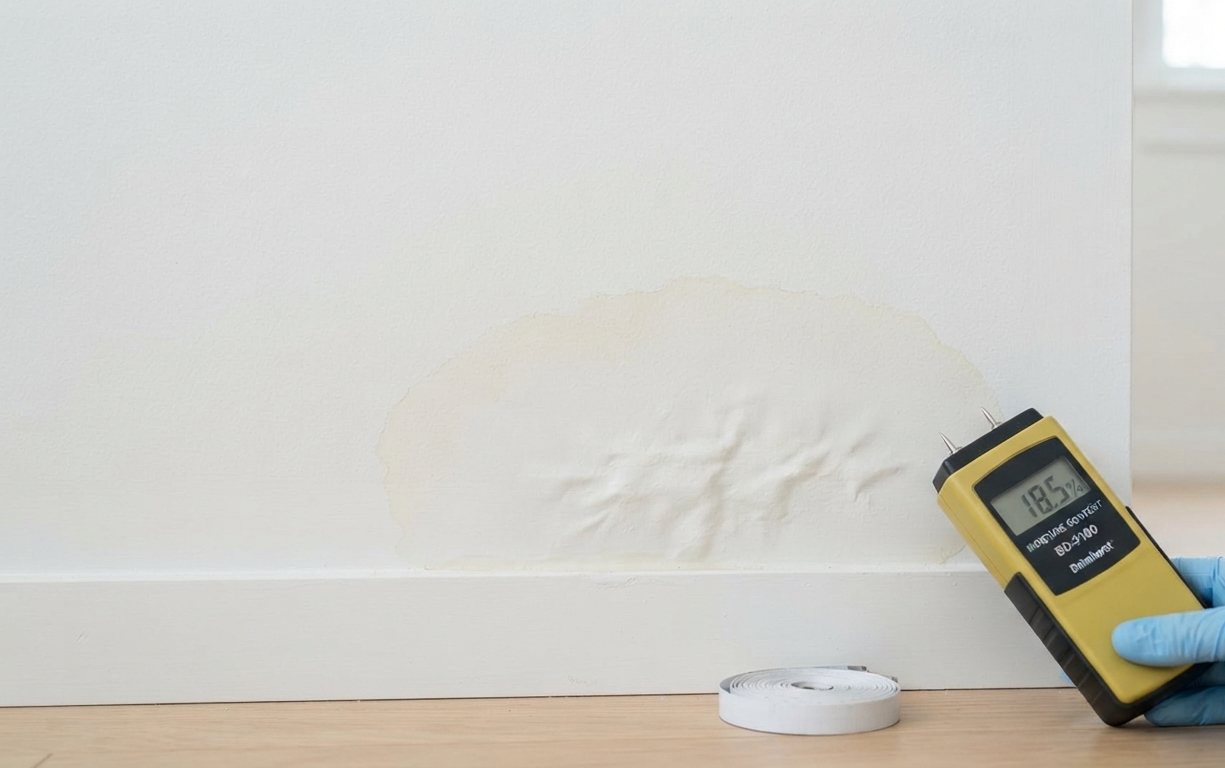
Trace roof, ventilation, exhaust, insulation, and HVAC moisture before cleanup.
Call when attic staining appears after rain, AC use, or long humid stretches.
Call (504) 520-4589When an Attic Needs a Closer Look
Dark staining, musty odor, roof leaks, damp insulation, or poor ventilation can all point to an attic moisture problem. The right plan starts with why the attic stayed damp.
Attics have their own moisture pattern: roof penetration leaks, blocked soffit ventilation, bathroom fans exhausting into the attic, and humid air trapped above living areas. Widespread or recurring growth may require broader mold remediation, not surface cleaning alone.
Attic clues to mention by phone
- Recent roof leak or ceiling stain.
- Dark wood staining on rafters or sheathing.
- Damp or compressed insulation.
- Bathroom fan exhausting into the attic.
- Musty odor near upper rooms or closets.
Why New Orleans attics need moisture thinking
Warm humid air, storm exposure, older roof assemblies, and seasonal AC use can all change attic moisture behaviour. Cleanup without source review can leave the same conditions in place.
If visible growth is limited and the source is corrected, removal may be straightforward. If materials are damaged, wet insulation is involved, or the source is active, the issue may require inspection and remediation planning.
Before cleanup begins
What attic mold removal should establish first
Attic mold removal should begin with a clear boundary: where staining or growth is present, which materials are affected, and whether the moisture source is active. A dark patch near a roof penetration calls for a different plan than broad discoloration across roof decking, damp insulation around ductwork, or repeated condensation near an exhaust termination.
The useful question is not simply, “How do we clean the wood?” It is whether rain entry, indoor air leakage, duct condensation, or restricted ventilation will wet the same area again. That distinction keeps the removal scope tied to the building condition instead of treating every dark rafter as the same problem.
Material decisions
The attic material changes the removal plan
Roof decking, rafters, insulation, duct surfaces, and stored belongings do not respond to moisture or cleaning in the same way. The scope should identify what can remain, what needs cleaning, and what may need to be removed for access or because it cannot be returned to a dry, usable condition.
Sheathing and framing
Wood condition matters as much as color. The plan should note whether the surface is dry and sound, whether staining follows a leak path, and whether cleanup can be completed without damaging the roof assembly.
Insulation and stored items
Wet, compressed, or visibly affected insulation can hide the underside of the roof and limit drying. Boxes and fabrics stored against damp materials may also need to be moved so the actual boundary can be seen.
Ducts and exhaust lines
Condensation on duct jackets or a fan terminating in the attic can keep one zone damp through long cooling cycles. Those sources require mechanical or ventilation correction in addition to mold-focused work.
A practical sequence
How an attic project moves from clue to completed scope
- Connect the timing to the source. Note whether the stain changes after rain, after the AC runs, or during long humid stretches.
- Define the accessible boundary. Review roof decking, rafters, insulation, penetrations, and nearby ceiling areas instead of judging one photographed spot.
- Separate repairs from removal. Roofing, HVAC, electrical, or ventilation repairs may require another trade, but they still belong in the moisture-control plan.
- Choose material-specific methods. Cleaning sound wood is a different task from handling wet insulation or deteriorated sheathing.
- Confirm dry conditions before closing the project. New insulation or stored contents should not cover an area that is still taking on moisture.
If the source or affected boundary is still uncertain, start with a New Orleans mold inspection. For a broader explanation of attic causes and warning signs, use the attic mold guide for New Orleans homes.
FAQ
Can attic mold come from a roof leak?
Yes. Roof leaks, flashing failures, and storm-driven rain can wet sheathing or insulation before a ceiling stain appears below.
Should attic mold be tested first?
Testing is not always the first step when visible growth and moisture clues are present. Inspection of the attic conditions and moisture source often gives the more useful starting point.
Can attic mold return after removal?
It can return if the attic still has a leak, ventilation problem, or persistent condensation. Removal should be paired with moisture control recommendations.
Not sure where to go next?
Pick the page that matches the problem, not the keyword
Attic mold decisions often start with the roof, ventilation, insulation, and stained wood. These pages help separate attic removal from broader remediation, inspection, or moisture repair questions.
Seeing Attic Staining or Ceiling Leak Clues?
Call and describe the roof history, attic access, odor, insulation condition, and where the stain appears inside the home.