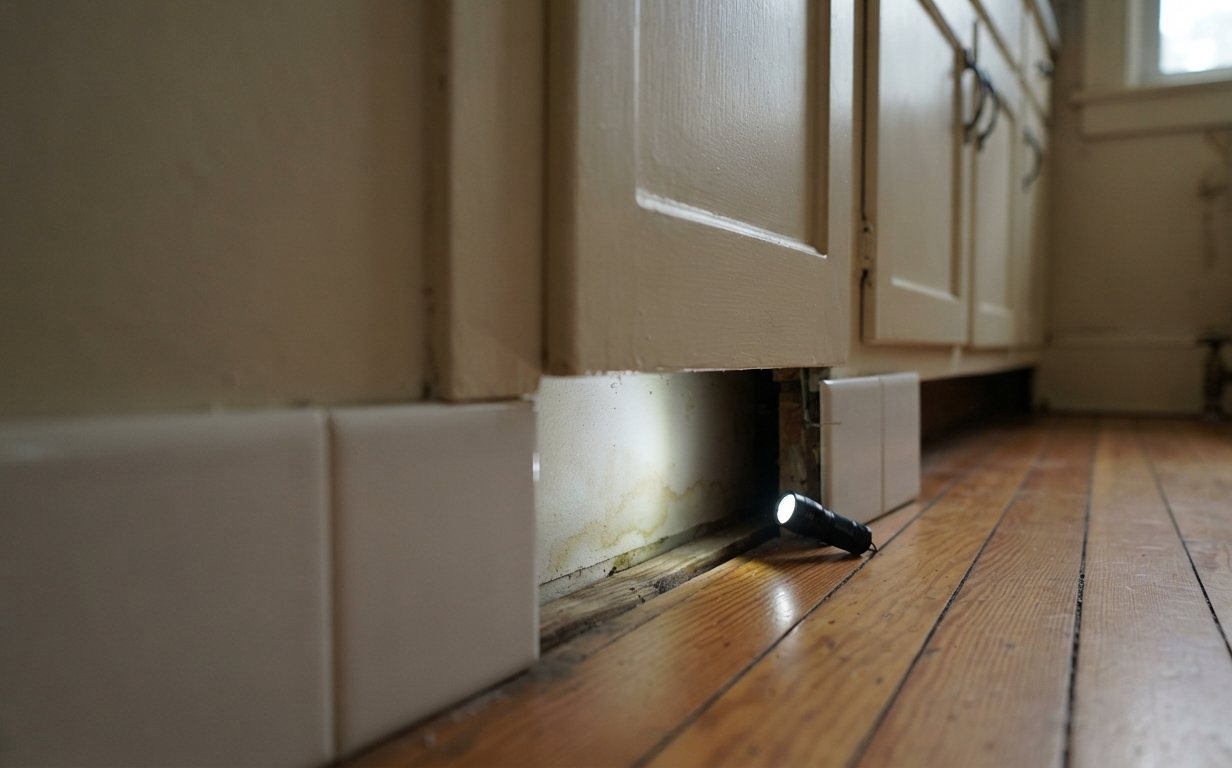
Musty floors, damp crawl-space wood, wet insulation, standing water, or raised-home odor.
Look at drainage, ventilation, plumbing, humidity, and wood moisture below the home.
Call when odors or dampness seem to come from below the floor.
Call (504) 520-4589When the Crawl Space May Be the Source
In a raised home, odor, damp insulation, ground moisture, plumbing leaks, drainage problems, or soft flooring can suggest that the underside of the structure needs attention. The crawl space can influence moisture conditions in the rooms above it.
Crawl spaces require attention to access, drainage, ground moisture, floor systems, and ventilation. When growth is widespread or affects structural materials, broader mold remediation may be part of the plan.
Common crawl space signals
- Musty odor strongest near floors, closets, or vents.
- Damp insulation or sagging material under the home.
- Soft, cupped, or uneven flooring above.
- Standing water or soil moisture after rain.
- Plumbing leaks under kitchens, bathrooms, or laundry areas.
How service decisions usually work
The first decision is whether the area can be safely accessed and whether the moisture source is still active. If the crawl space is wet, cramped, or contaminated, it is not a good DIY inspection zone.
A professional review may include visual assessment, moisture clues, affected materials, drainage observations, and recommendations for removal, drying, cleanup, or prevention. The related article crawl space mold removal in New Orleans explains the homeowner decision process in more detail.
Below-floor moisture map
Crawl space mold removal starts by mapping where the water moves
In a raised New Orleans home, the wettest point is not always directly below the room where the odor is strongest. Rain can collect near a low perimeter, plumbing can drip along a joist, humid air can condense on cooler surfaces, and damp soil can affect a much wider section of the floor system.
A useful scope follows that path from entry point to affected material. It should distinguish occasional surface dampness from standing water, chronic ground moisture, an active plumbing leak, or insulation that stays wet against the subfloor.
Scope, not surface treatment
What cleanup can solve and what needs separate correction
Mold-focused work can address affected surfaces and materials, but it cannot substitute for drainage repair, plumbing repair, or a durable ground-moisture strategy. Keeping those responsibilities separate makes the project easier to evaluate and reduces the chance that cleanup is asked to solve an active water problem.
Cleanup and removal
The mold scope should identify accessible joists, subfloor, piers, and insulation, then state which materials can be cleaned and which are too wet, damaged, or contaminated to remain.
Drying and water control
Standing water, saturated soil, or an active leak must be addressed before the crawl space can hold stable dry conditions. Fans alone are not a substitute for stopping the source.
Building follow-up
Drainage, ground coverage, ventilation, ductwork, and plumbing may need follow-up by the appropriate trade. Recommendations should be specific enough that the owner knows what remains after cleanup.
Access changes the project
Why crawl space access and utilities belong in the plan
Clearance, entry size, standing water, electrical lines, plumbing, ductwork, loose insulation, and damaged supports can change how the area is inspected and serviced. A photo taken from the access opening may show a clue, but it rarely establishes the full boundary or the safest route through the space.
Before work, note the access location, whether the area is dry enough to enter, and which rooms sit above the concern. During scoping, the property owner should understand how debris and removed material will leave the crawl space, what areas need protection, and whether drying equipment can operate without directing damp or contaminated air into occupied rooms.
When the odor is upstairs but the source is uncertain, a mold inspection focused on the moisture path may come before removal. When growth is established across multiple structural bays, the work may fit a broader mold remediation plan. The crawl space mold guide covers prevention and homeowner observations in more depth.
FAQ
Can crawl space mold cause a musty smell upstairs?
It can contribute to odors that move into living spaces, especially in raised homes or rooms with floor penetrations. The odor alone does not prove the source, but it is a good reason to investigate.
Should I go into the crawl space myself?
Only if access is safe, dry, and clear. Avoid entering if there is standing water, electrical concern, pests, damaged materials, or limited clearance.
What prevents crawl space mold from returning?
Prevention usually involves moisture control: drainage, plumbing repair, reducing ground moisture, managing ventilation, and removing or drying affected materials where appropriate.
Not sure where to go next?
Pick the page that matches the problem, not the keyword
Raised homes and crawl spaces usually involve drainage, air movement, insulation, and wood conditions. These pages help decide whether the next step is inspection, removal, remediation, or water-control work.
Need Help With a Crawl Space Moisture Clue?
Call New Orleans Mold Fix and describe the home type, odor, floor condition, access, and whether water has been seen under the house.