Small visible growth, damp surfaces, or cleanup questions after moisture exposure.
Mold cleanup
Mold Cleanup in New Orleans
Mold cleanup is the practical middle ground: visible growth needs attention, but the right plan depends on the surface, the moisture source, and whether materials are still damp.
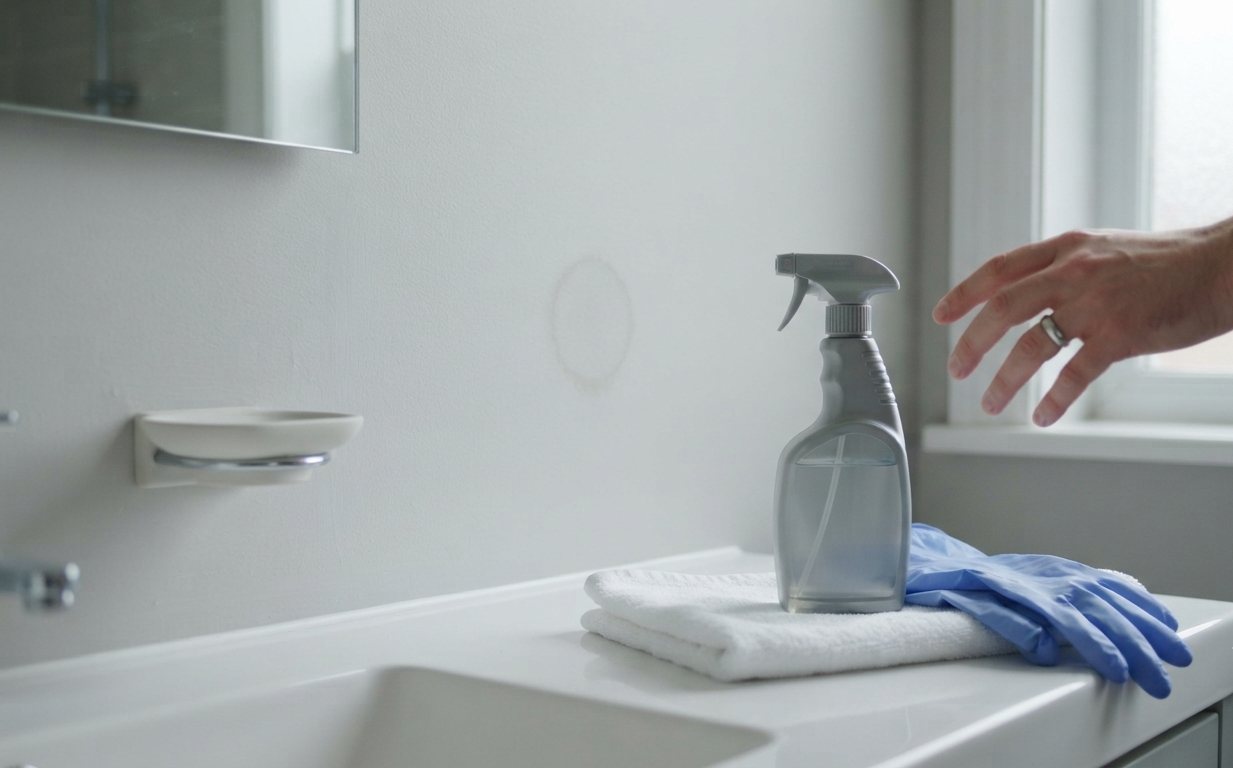
Decide whether cleanup is enough or whether removal/remediation is the safer scope.
Call when you are unsure whether a visible area is a simple cleanup or a bigger issue.
Call (504) 520-4589When a Cleanup Question Needs a Closer Look
A visible spot, musty odor, or damp material may begin as a cleanup question, especially in a bathroom or after a small leak. The key is deciding whether the area is truly limited and whether the moisture source has been corrected.
Cleanup focuses on the immediate growth and the conditions around it. Mold remediation is broader and may involve containment, affected materials, source correction, drying, and recurrence prevention.
Cleanup is not just wiping
- Check whether the material is porous or non-porous.
- Confirm the leak or humidity issue is not still active.
- Avoid sealing damp surfaces with paint or caulk.
- Escalate if growth returns or spreads.
When cleanup may be enough
Cleanup may be enough when the affected area is small, the surface is hard and intact, the moisture source is understood, and the spot does not keep returning. Simple enough. The problem is that New Orleans humidity can make "dry enough" harder to judge than it looks.
Bathrooms, window frames, tile, and other hard surfaces sometimes fall into this category. Drywall, insulation, swollen baseboards, damp cabinets, and flooring are different. Those materials can hold moisture longer and may push the situation toward removal or remediation.
Cleanup Versus Removal Versus Remediation
These terms overlap in everyday conversation, but they describe different levels of work. Cleanup fits a limited surface concern, removal focuses on visible growth and affected material, and remediation addresses a broader moisture problem with containment, drying, and recurrence risk.
| Situation | Likely starting point | Learn more |
|---|---|---|
| Small visible area with a known, corrected moisture source | Cleanup decisions and careful moisture checks | This page |
| Visible growth on drywall, trim, cabinets, or other materials | Assessing what can be cleaned and what may need removal | Mold removal |
| Recurring or widespread growth tied to damp materials | Containment, damaged-material decisions, drying, and source correction | Mold remediation |
After a small plumbing leak
Cleanup should happen only after the leak is stopped and the material is dry enough to evaluate. Wet trim or soft drywall changes the plan.
After bathroom humidity
Ventilation, fan use, and condensation patterns matter. If growth keeps returning in the same place, wiping is not solving the cause.
After storm moisture
Storm water can travel under flooring, behind baseboards, and into wall cavities. That may require mold damage restoration after water intrusion.
Common spoken questions
Questions about mold cleanup
Clear answers to the questions New Orleans property owners often ask before they decide what kind of help fits.
Can I clean a small mold spot myself?
A small spot on a sound, nonporous surface may be simpler than growth on wet drywall, insulation, carpet backing, or damaged wood. Before cleaning, make sure the moisture source is stopped and avoid disturbing an area that is larger, recurring, hidden, or connected to water damage.
When is mold cleanup not enough?
Cleanup alone is not enough when growth returns, porous materials are damaged, moisture remains trapped, or the affected area extends beyond the visible surface. Those conditions may call for inspection, material removal, or a broader remediation plan.
Why does mold return after cleaning?
Mold usually returns because the material became damp again or never dried completely. Leaks, AC condensation, humid cavities, and crawl-space moisture can continue feeding the same area even when the visible surface looks clean.
Which moldy materials are difficult to clean?
Porous and absorbent materials such as drywall, insulation, carpet pad, and some composite wood products can hold contamination below the surface. Their condition, strength, moisture level, and extent of growth determine whether cleaning or removal makes more sense.
Not sure where to go next?
Pick the page that matches the problem, not the keyword
Cleanup questions depend on whether the surface is washable, porous, still damp, or repeatedly affected. These related pages help decide when simple cleanup is enough and when a deeper service makes more sense.
Need a Practical Cleanup Decision?
Call and describe the surface, size, room, odor, and moisture history. New Orleans Mold Fix can help you decide whether cleanup, removal, inspection, or remediation is the better path.