Stained, softened, swollen, or damaged materials after mold and moisture exposure.
Mold damage restoration
Mold Damage Restoration in New Orleans
Mold damage restoration connects the water event to the mold concern: what got wet, how long it stayed damp, what materials were affected, and what needs to happen before the problem repeats.
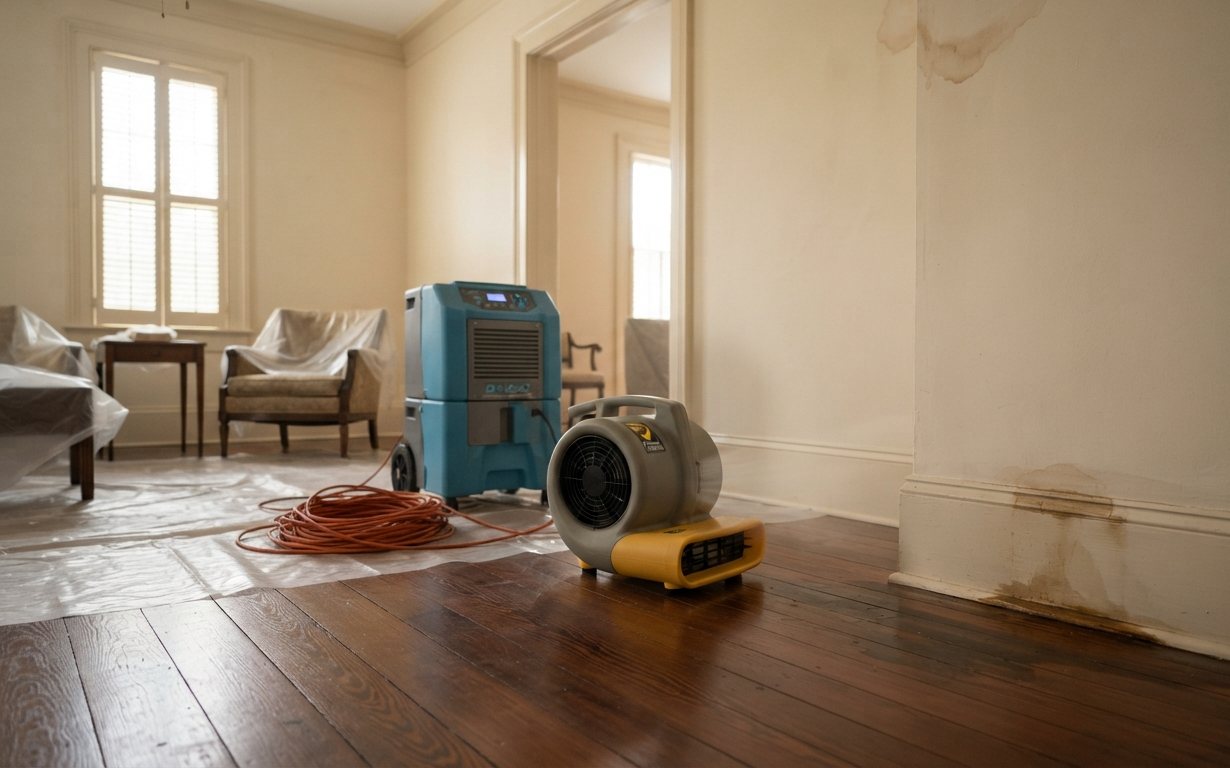
Separate active moisture, cleanup scope, drying, and repair decisions before closing surfaces.
Call when mold and material damage overlap after a leak, flood, storm, or slow seep.
Call (504) 520-4589When Water Damage Becomes a Mold Concern
Mold damage restoration is relevant when a leak, flood, roof problem, plumbing failure, AC drain issue, or storm-related water intrusion has left materials damp long enough for mold concerns to develop.
Water damage restoration focuses first on extraction, drying, and dehumidification. Mold damage restoration becomes the concern when wet drywall, insulation, cabinets, flooring, or framing also needs to be assessed for growth and contamination.
Common triggers
- Ceiling leak after heavy rain.
- Wet drywall, baseboards, or cabinets after plumbing failure.
- Flood aftermath with porous materials left damp.
- AC condensation or drain line overflow.
- Musty odor after the room seemed dry.
Why timing matters after water intrusion
After water intrusion, the main risk is not only standing water; it is moisture trapped inside porous or layered materials. Dry-looking paint, trim, or flooring can hide damp backing material.
In New Orleans, humid air slows evaporation and can make partial drying look more successful than it really is. That is where the fees add up later: a ceiling patch is made, a cabinet is closed, or a baseboard is repainted while the material behind it is still damp.
How restoration decisions are usually made
The better plan follows the path of the water first, then the visible mold. A stain may appear in one place while the leak began several feet away.
Trace the water path
Roof, plumbing, HVAC, window, or flood water all behave differently. The source shapes the scope.
Evaluate materials
Drywall, insulation, cabinets, carpets, and trim hold moisture differently and may need different cleanup or removal decisions.
Plan drying and cleanup
The next step may involve drying, dehumidification, containment, mold cleanup services, or remediation.
Official guidance says moisture control comes first
Official public guidance consistently treats moisture control as the foundation of mold prevention and cleanup. The exact work depends on the building, but the direction is clear.
- EPA guidance says mold cleanup should include fixing the water or moisture problem.
- CDC disaster guidance advises drying affected areas and materials as quickly and safely as practical after flooding.
- Porous materials that cannot be dried or cleaned properly may need removal.
- Protective equipment and safe access matter when cleanup involves floodwater, damaged materials, or heavy contamination.
- Documentation, photos, and notes are useful for personal records, but they do not determine insurance coverage.
Helpful references: EPA mold cleanup guidance and CDC mold information.
Common spoken questions
Questions about mold damage restoration
Clear answers to the questions New Orleans property owners often ask before they decide what kind of help fits.
What is mold damage restoration?
Mold damage restoration addresses the building materials and spaces affected after mold growth has developed. It can include removal of unsalvageable materials, cleaning, drying verification, and coordination of the steps needed before finishes are restored.
Is mold damage restoration the same as water damage restoration?
No. Water damage restoration focuses first on stopping, extracting, and drying water after a leak, flood, or storm. Mold damage restoration deals with the affected materials and cleanup needs after mold growth or prolonged dampness is already part of the problem.
Can mold-damaged drywall or flooring be restored?
It depends on the material, how deeply moisture traveled, and whether the material remains structurally sound and cleanable. Porous materials that are swollen, deteriorated, or extensively affected may need removal before finishes can be rebuilt.
What happens after mold cleanup is complete?
The area should be dry, the moisture source should be corrected or clearly assigned for repair, and affected material decisions should be complete before reconstruction. Replacing finishes too early can hide continuing dampness and set up the same problem again.
Not sure where to go next?
Pick the page that matches the problem, not the keyword
Mold damage can involve stained finishes, damp framing, drywall, flooring, or materials that stayed wet too long. These pages help separate restoration planning from removal, inspection, testing, and water damage response.
Water event first, mold concern second?
Call New Orleans Mold Fix and explain what got wet, when it happened, what was dried, and what you are seeing or smelling now.