Dark growth, black spotting, leak-related staining, or color concerns.
Black mold removal
Black Mold Removal in New Orleans
Black-looking mold deserves a calm, moisture-first response: identify what is feeding it, decide whether removal is enough, and avoid treating color as the whole diagnosis.
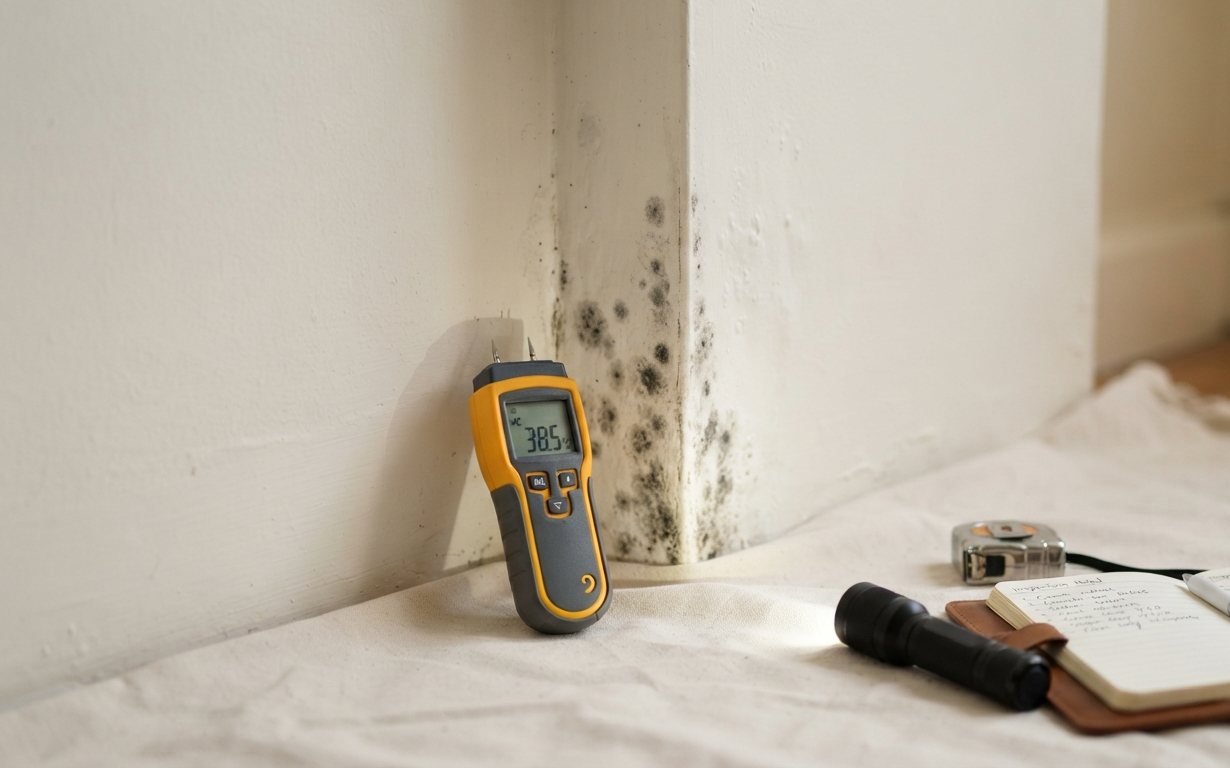
Treat the color as a clue, then check moisture, materials, and whether testing is useful.
Call when dark growth is visible or connected to a leak, odor, or damaged surface.
Call (504) 520-4589When Dark Growth Needs More Than Wiping
Dark visible growth, recurring black spots, or damp materials deserve a closer look when the moisture source is still unknown. The goal is not to scare people with color; it is to separate a limited surface concern from a building-material problem that may need containment, removal, drying, or remediation.
In local homes, black-looking growth is often found around bathroom ceilings, under sinks, along baseboards, behind furniture on exterior walls, inside closets, or near older windows after long humid stretches. If the spot returns after cleaning, the moisture source may still be active.
Good next steps
- Do not paint over dark growth while the material is damp.
- Look for leaks, condensation, swollen trim, soft drywall, or musty odor.
- Keep children and pets away from disturbed materials during cleanup decisions.
- Call if the growth is spreading, recurring, or connected to a leak.
Why Color Is Not the Whole Answer
Dark mold is a useful warning sign, but color does not identify the species, the moisture source, or the correct scope of work. A black stain on a painted bathroom wall is different from dark growth on wet drywall behind a leaking cabinet.
Choose mold removal when visible growth and affected materials are the main concern. Choose mold remediation when containment, drying, and recurrence are part of the problem. If you cannot find the source, begin with a mold inspection.
Bathrooms and laundry areas
Dark spots near ceilings, grout lines, exhaust fans, and damp trim often point to repeated humidity, poor ventilation, or a small leak that has had time to work quietly.
Cabinets and wall cavities
Under-sink growth can involve particle board, drywall, backing materials, and the wall behind the cabinet. Surface wiping may miss the part that stayed wet.
Storm and roof leaks
After heavy rain, dark spotting around ceilings or upper walls can mean water travelled before it became visible. The stain is the clue, not always the source.
How black mold removal usually gets scoped
The work should start by identifying whether the growth is on a cleanable surface or inside porous, damaged, or damp materials. That single distinction changes the likely plan.
| Situation | Likely concern | Better page to review |
|---|---|---|
| Small spot on hard bathroom tile | Surface cleaning and humidity control may be enough if it does not return. | Mold removal |
| Dark growth on soft drywall or baseboard | Material damage and hidden moisture may be involved. | Mold remediation |
| Black spotting after flooding or a roof leak | Drying, demolition decisions, and moisture mapping may matter. | Mold damage restoration |
Common spoken questions
Questions about dark or black mold
Clear answers to the questions New Orleans property owners often ask before they decide what kind of help fits.
Is every black spot in a New Orleans home toxic mold?
No. Color cannot identify a mold type or determine risk by itself, and soot, dirt, staining, or other materials can also look dark. The practical first step is to evaluate the growth, affected material, and moisture source without relying on color alone.
Who should I call about black mold in New Orleans?
Call New Orleans Mold Fix at (504) 520-4589 and describe where the dark growth appears, how large the area seems, and whether a leak, flood, or condensation problem came first. That information helps distinguish inspection, testing, removal, and remediation needs.
Should black mold be tested before it is removed?
Testing is not automatically required just because growth is dark. It can help when identification or documentation answers a defined question, but visible growth, affected materials, and the moisture source still drive the practical cleanup plan.
Can bleach remove black mold from drywall?
Bleach may change the appearance of a surface, but porous drywall can hold moisture and growth below the face paper. If the material is damp, damaged, or repeatedly affected, wiping the surface is unlikely to solve the underlying problem.
Not sure where to go next?
Pick the page that matches the problem, not the keyword
Dark spotting can point to several different next steps depending on the surface, leak history, and size of the affected area. These pages help sort color concerns from inspection, testing, cleanup, and remediation decisions.
Not Sure Whether It Is Removal or Remediation?
Call New Orleans Mold Fix and describe the room, material, color, odor, and moisture history. Those details can help separate a visible removal concern from a broader remediation problem.